.svg)

After a car accident in New York, many drivers assume their NYC PIP benefits will automatically cover medical bills and lost wages. That assumption often leads to denied claims, delayed payments, and financial strain.
At Sakkas, Cahn & Weiss, LLP, our New York City car accident lawyers regularly review disputes involving PIP benefits that were reduced or denied based on technical exclusions buried in an auto insurance policy. New York’s no-fault system provides guaranteed benefits, but those benefits are not unlimited and not automatic.
What Is Automatic Coverage? The Myth Debunked.
Many people believe that no fault insurance covers everything after a motor vehicle accident. That belief stems from New York’s no-fault system, which requires drivers to carry minimum PIP coverage under New York Insurance Law § 5102 and § 5103.
Under New York law, every auto insurance policy must provide up to $50,000 in Basic Economic Loss, which includes:
- Medical expenses
- Lost earnings
- Essential services
- Death benefits
However, the law does not promise unlimited payments. It defines “basic economic loss” with strict categories and caps. If treatment falls outside those categories, exceeds coverage limits, or fails to comply with procedural requirements, an insurance company may deny payment.
New York’s no-fault system was designed to provide quick access to medical treatment without proving fault. It does not eliminate exclusions, deadlines, or documentation requirements. Automatic approval is a misconception. NYC PIP coverage pays only when statutory and policy conditions are satisfied.
What NY PIP Really Pays For After an Accident
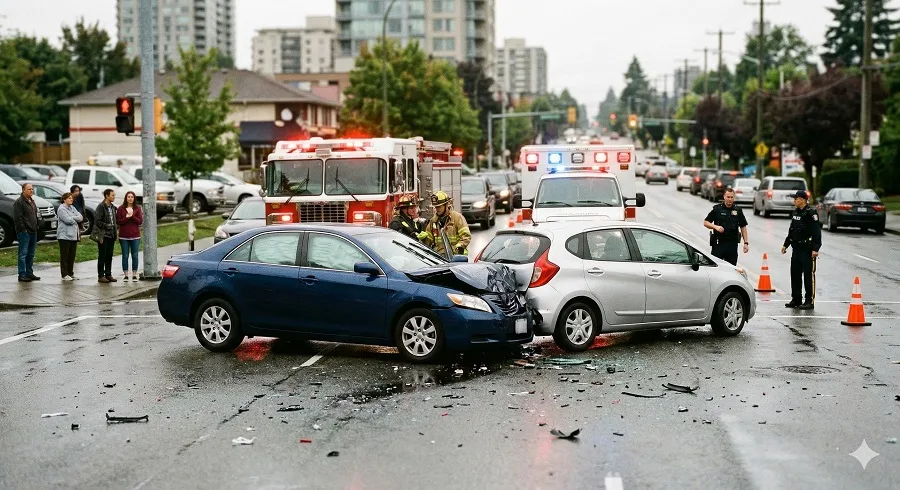
Under New York’s no fault framework, PIP insurance covers specific categories of loss after a car accident, regardless of fault. These benefits apply to injured parties, passengers, and sometimes pedestrians.
1. Medical Expenses
PIP coverage pays for reasonable and necessary medical treatment related to the accident, including:
- Hospital care
- Surgery
- Diagnostic imaging
- Physical therapy
- Chiropractic care
- Prescription medication
- Ambulance services
The treatment must be medically necessary and causally related to the auto accident.
2. Lost Wages
PIP benefits cover lost income up to 80% of earnings, capped at $2,000 per month, for up to three years from the date of the accident occurred. The wage claim must be supported by employer verification.
3. Essential Services
If injuries prevent a person from performing daily tasks such as childcare or household services, the policy may reimburse limited costs.
4. Death Benefits
In fatal cases, PIP provides a statutory death benefit.
What PIP Does Not Cover
Compensation beyond basic no-fault benefits often depends on liability and documented losses, similar to how courts evaluate personal injury settlement factors in NYC. PIP does not cover:
- Property damage
- Pain and suffering
- Full wage replacement
- Non-economic damages
To pursue compensation beyond no-fault benefits, an injured person must meet the serious injury threshold under New York Insurance Law § 5102(d). That threshold includes categories such as:
- Significant limitation of the use of a body organ or member
- Permanent consequential limitation
- Fracture
- Dismemberment
- Significant disfigurement
- Loss of a fetus
- 90/180-day disability
- Death
Only after meeting this injury threshold may a person pursue a personal injury lawsuit against the at-fault driver for bodily injury liability.
The Hidden Exclusions That Catch NYC Drivers Off Guard
Several exclusions frequently limit otherwise valid claims.
#cta_start
Your Insurance Company Denied Benefits? Act Quickly.
If your own insurance company reduced or denied pip benefits, contact Sakkas, Cahn & Weiss, LLP to evaluate your rights under New York law.
#cta_end
Why Insurance Companies Deny Valid NY PIP Claims
Insurance carriers rely heavily on regulatory compliance requirements and policy language. Their most common defenses include:
- Treatment deemed “not medically necessary”
- Late submission of medical bills (45-day rule under 11 NYCRR § 65-2.4)
- Pre-existing condition arguments
- Incomplete wage documentation
- Missed IMEs
If a no-fault dispute escalates into litigation, testimony may be required during a deposition in a personal injury case.
According to data from the Insurance Information Institute, fraud and billing disputes account for a significant portion of no fault insurance litigation in New York. Insurance disputes over NYC pip benefits often involve complex regulatory timelines. A denial does not automatically mean the claim lacks merit.
What Documentation Actually Protects a PIP Claim
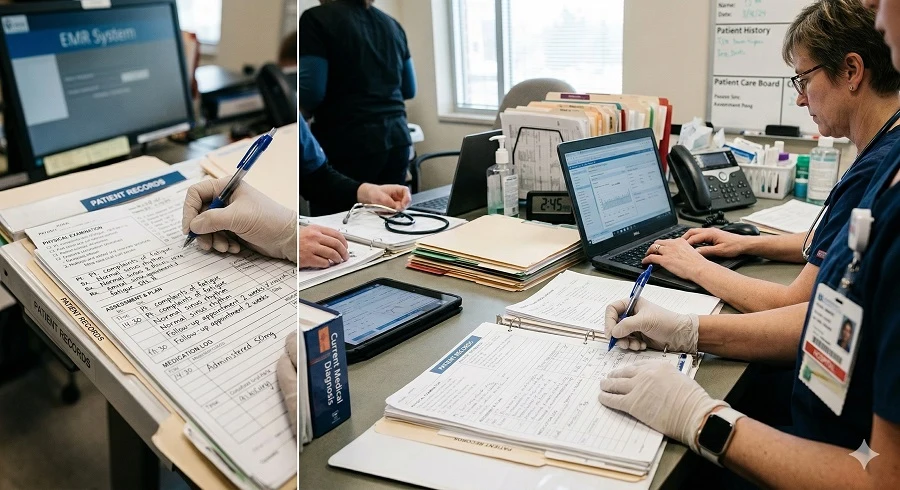
Detailed and consistent documentation is the strongest protection.
- Immediate medical treatment to connect injuries to the car accident.
- Police report confirming date and location.
- Clear medical records stating diagnosis and causation.
- Employer wage verification for lost earnings.
- Attendance at IMEs required by the insurance carrier.
- Copies of all submissions, including the NF-2 form and medical bills.
Under New York’s no fault system, strict compliance with deadlines is required. Documentation gaps provide insurers with grounds to deny payment. Detailed accident reports, photographs, and prompt medical documentation strengthen causation, similar to cases involving injuries caused by street hazards in NYC.
The Relationship Between PIP and Liability Coverage
Ny pip benefits operate separately from liability insurance and bodily injury liability claims.
If an injured person meets the serious injury threshold, a personal injury claim against the at-fault driver may include:
- Pain and suffering
- Future medical costs
- Full lost earnings
- Non-economic damages
Liability insurance and uninsured motorist coverage or underinsured motorist coverage may become relevant when serious injuries exceed no-fault coverage limits.
PIP addresses basic economic loss. A liability claim addresses broader damages.
Protecting Your Rights Under New York’s No-Fault Law
NY PIP coverage provides fast access to medical expenses and limited lost wages after a car accident, but it is not unlimited and not automatic. Exclusions, procedural rules, and coverage limits frequently reduce or eliminate benefits.
At Sakkas, Cahn & Weiss, LLP, our team has helped clients recover millions in personal injury cases throughout New York. When no fault benefits are denied or exhausted, additional legal avenues may exist. If your insurance coverage was reduced, delayed, or denied, contact us today.


Contact us to learn how we can help
Share the details of your case with us, and we will evaluate your situation and outline potential strategies. Don’t wait — take the first step to compensation!
.webp)