.svg)
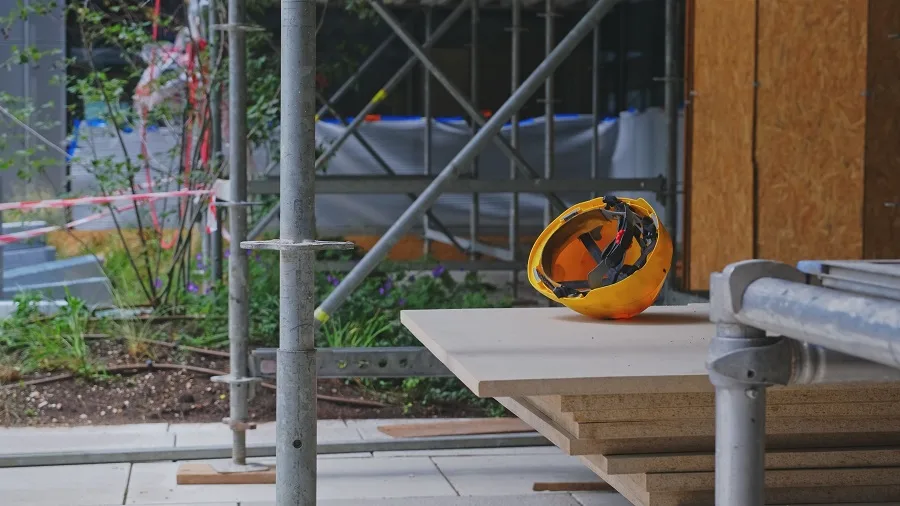
Scaffolding structures tower over New York City's streets, creating pathways for construction workers building tomorrow's skyline. Yet these elevated platforms can collapse without warning, sending workers plummeting to the ground below and leaving pedestrians vulnerable to falling debris.
When scaffolding injuries occur, victims face mounting medical bills, lost wages, and a complicated legal system. NYC scaffold accident lawyers work with injured workers and bystanders to secure compensation, holding negligent parties accountable while you focus on recovery.
Evidence to Collect After a Scaffold Accident
Acting quickly after a scaffolding accident protects your rights and strengthens your claim. Gather the following evidence as soon as possible:
- Photographs of the accident scene, including scaffold structure, damaged equipment, and any visible hazards
- Contact information for witnesses who saw the accident occur
- Medical records documenting your injuries and treatment plans
- Incident reports filed with your employer or the construction site
- Safety inspection records showing the scaffold's maintenance history
- OSHA violation notices issued to the site or contractors
- Pay stubs proving lost wages during recovery
This evidence forms the foundation of your claim, proving both what happened and how it's affected your life. The more documentation you collect early on, the stronger your case becomes when pursuing compensation.
The Reality of Scaffold Accidents in New York City
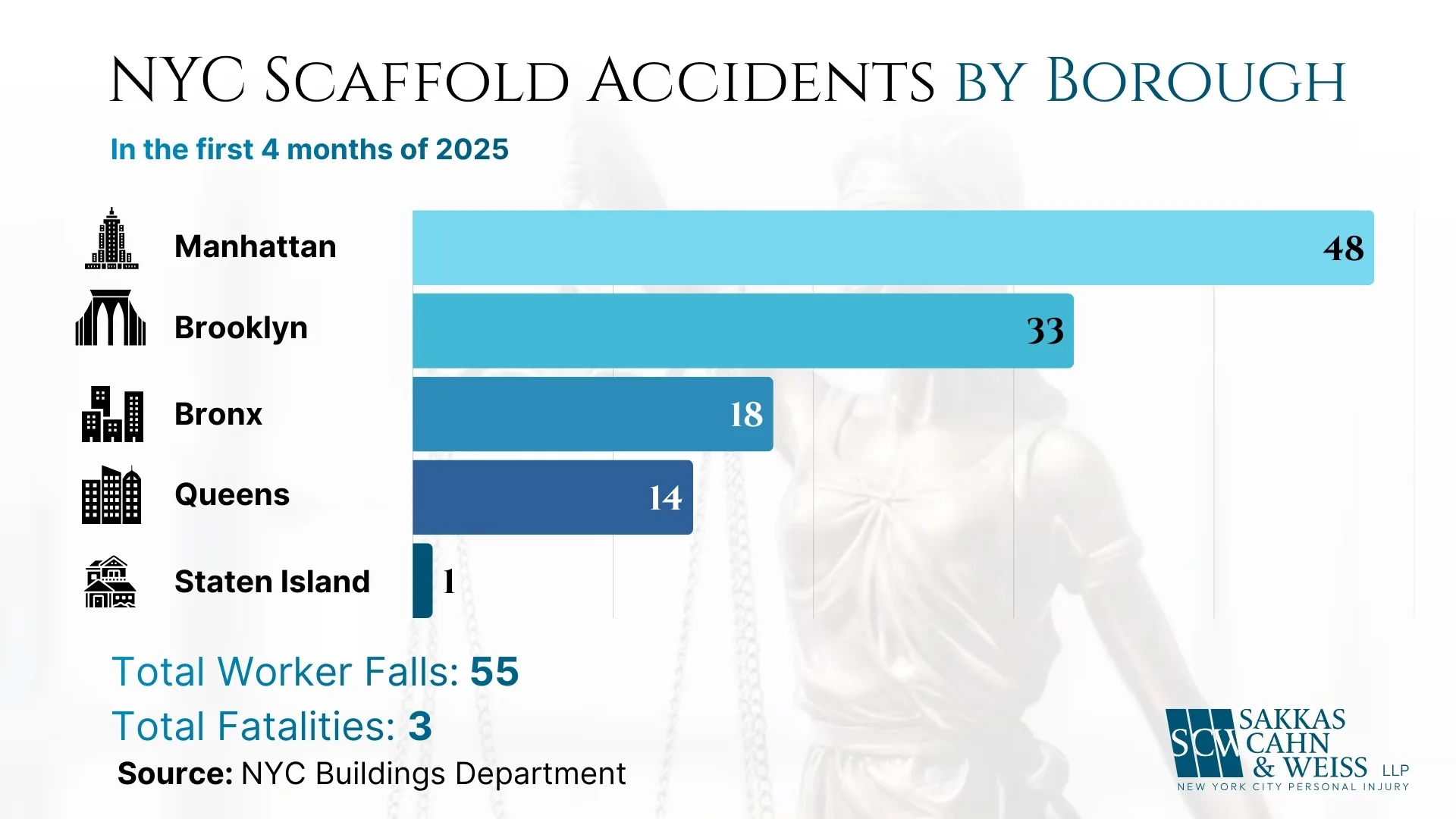
Construction site accidents involving scaffolding continue to threaten workers across NYC's five boroughs. According to NYC Buildings data, 55 workers fell from scaffolds in the first four months of 2025 alone, resulting in 3 fatalities. Manhattan led with 48 total incidents, while Brooklyn recorded 33 scaffold-related injuries during this period.
These numbers reflect a troubling pattern. Brooklyn saw the highest number of scaffold-related fatalities in early 2025, with scaffold collapses and worker falls accounting for nearly half of all construction accidents citywide.
The risks stem from multiple factors that often combine to create deadly conditions. Aging infrastructure means some scaffolds stay up for years without proper maintenance. Weather conditions weaken structural integrity, particularly during NYC's harsh winters. Equipment failures happen when companies cut corners on inspections or use substandard materials.
Height amplifies every risk. A scaffold collapse from 20 feet can cause traumatic brain injuries, spinal cord injuries, or broken bones. Falls from greater heights often prove fatal.
New York's Scaffold Law: Protection for Injured Workers

Labor Law Section 240, known as the Scaffold Law, holds property owners and contractors strictly liable for gravity-related injuries. This 1885 law protects construction workers performing tasks at elevated heights, from scaffold erection to building maintenance.
Absolute Liability Standards
The law's strict liability provision means employers can't escape responsibility by claiming a worker was partially at fault. If safety violations contributed to your injury, property owners and contractors bear full legal responsibility. This differs from standard negligence cases, in which fault is divided among multiple parties.
Required Safety Equipment
Property owners must provide proper safety equipment, including harnesses, guardrails, safety nets, secure ladders, and stable scaffolding structures. Failing to supply this equipment violates Labor Law Section 240, creating grounds for a scaffold accident claim.
NYC-Specific Scaffolding Regulations

New York City's building code adds layers of protection beyond state law. Most scaffolding work requires permits, except for minor emergency repairs. Scaffolds exceeding 40 feet in height must be designed by registered professionals. Regular inspections ensure structural integrity throughout a project's duration.
The Department of Buildings enforces these regulations and issues violations for noncompliance. Safety measures include proper anchorage, protective netting for pedestrians, and compliance with load capacity limits.
Common Types of Scaffold Accidents
Different accident scenarios create unique legal considerations. Workers injured in falls from heights face different challenges than pedestrians struck by falling debris.
Who Bears Responsibility for Your Injuries
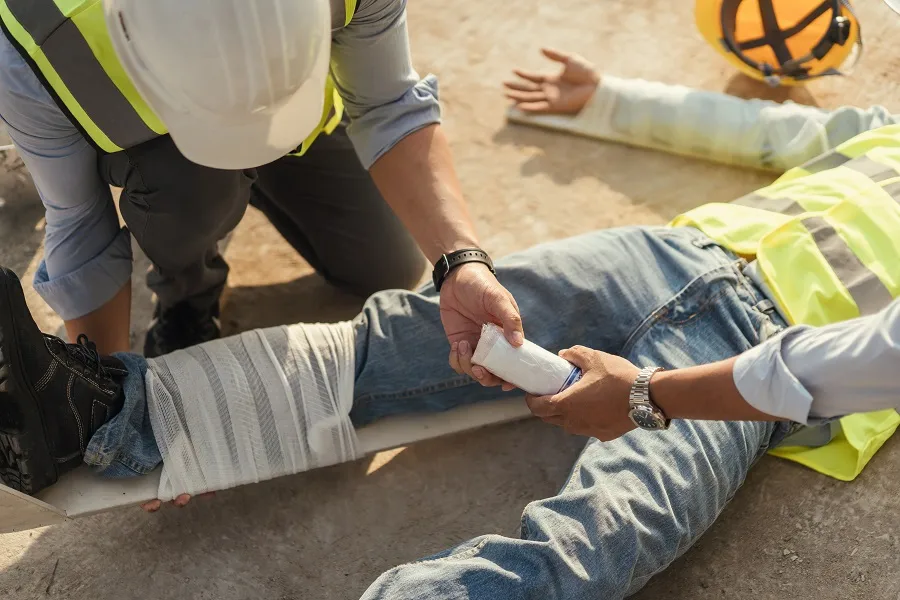
Multiple parties share liability in scaffold accident claims. Identifying all responsible entities ensures you pursue maximum compensation.
Property owners are ultimately responsible for worksite safety. Contractors and subcontractors must follow safety regulations and provide appropriate equipment. Scaffolding companies face liability for defective equipment or improper installation. Equipment manufacturers are held accountable for defective products that cause injuries.
A thorough investigation reveals which parties violated safety standards. Our law firm works with industry specialists to build compelling cases against all liable parties.
Your Rights Under Workers' Compensation and Beyond
Construction workers injured in scaffold accidents have specific legal protections that extend beyond standard workers' compensation. New York law provides multiple pathways to compensation, allowing you to pursue full recovery for all your losses.
Your rights after a scaffolding injury include:
- Workers' compensation benefits: Receive immediate medical coverage and partial wage replacement without proving fault, providing financial support during initial recovery.
- Personal injury claims under Labor Law §240: File additional lawsuits against property owners and contractors for pain and suffering, full lost wages, and other damages not covered by workers' comp.
- Dual claim filing: Pursue both workers' compensation and personal injury cases simultaneously, maximizing your total recovery without affecting either claim.
- Protection from retaliation: Maintain job security and legal protections against employer retaliation for filing injury claims or reporting unsafe conditions.
- Third-party liability claims: Seek compensation from scaffolding companies, equipment manufacturers, or other parties beyond your direct employer who contributed to your accident.
However, workers' comp has limits. It doesn't compensate for pain and suffering or cover full lost wages. Labor Law Section 240 allows injured workers to pursue additional compensation through personal injury claims, even while receiving workers' comp benefits.
The Claims Process: What to Expect

Filing a scaffold accident claim involves several stages. First, seek immediate medical attention and document your injuries. Next, report the incident to your employer within 30 days. Then gather evidence, including photos, witness statements, and medical records.
Your attorney will investigate the accident scene, interviewing witnesses and examining safety records. They'll identify all liable parties and calculate your damages. Insurance companies will likely offer settlements, but initial offers rarely reflect the full value of your claim.
Timeline Considerations
Personal injury claims must be filed within three years under New York law. However, cases against municipal entities require filing a notice of claim within 90 days. Don't wait to consult an attorney, as evidence disappears quickly, and witnesses' memories fade.
The settlement check timeline varies based on case complexity and negotiation progress. Some cases resolve in months, while others require litigation extending over years.
Compensation Available for Scaffold Accident Victims
Scaffolding lawsuits under New York's Labor Law §240 can recover substantially more than workers' compensation alone. While workers' comp provides limited benefits, personal injury claims pursue full compensation for every way your accident has impacted your life. The strict liability provisions of the Scaffold Law strengthen your position, often resulting in significant settlements or verdicts.
Compensation in scaffold accident cases typically includes:
- Medical expenses: Emergency care, surgeries, hospital stays, physical therapy, prescription medications, medical equipment, and future treatment costs.
- Lost income: Current wages, future earning capacity, lost benefits like health insurance and retirement contributions, and reduced career advancement opportunities.
- Pain and suffering: Physical discomfort, emotional distress, mental anguish, loss of life enjoyment, and psychological trauma, including anxiety or depression.
- Property damage: Personal belongings destroyed in the accident, including work tools, clothing, phones, and other items.
- Permanent disability: Long-term care needs, home modifications for accessibility, assistive devices and equipment, and ongoing medical support.
- Loss of consortium: Impact on relationships with spouse and family members, diminished quality of family life, and companionship.
Severe injuries like traumatic brain injuries or spinal cord injuries often result in multi-million dollar settlements. Cases involving permanent disability, extensive medical treatment, or deaths may recover even more substantial compensation. Our firm has secured settlements and verdicts ranging from hundreds of thousands to millions of dollars for victims of scaffold accidents.
Note: These figures represent general ranges based on past cases, but every scaffolding accident is unique. Your compensation depends on your specific injuries, medical costs, lost wages, and how the accident has affected your life. An experienced attorney evaluates your individual circumstances to determine the true value of your case.
Steps to Take Immediately After a Scaffold Accident

Your actions after an accident significantly impact the success of your claim. Get medical attention immediately, even if injuries seem minor. Some conditions worsen over time or show symptoms days later.
Report the accident to your supervisor and document the incident in writing. Take photographs if possible and collect witness contact information. Avoid giving recorded statements to insurance companies before consulting an attorney.
Don't sign any documents from insurance adjusters or accept quick settlement offers. These often undervalue your claim, and signing away your rights prevents pursuing fair compensation later.
Why Legal Representation Matters
Scaffold accident cases involve intricate regulations and multiple liable parties. Insurance companies employ teams of lawyers to minimize payouts. You need experienced legal representation to level the playing field.
A qualified attorney thoroughly investigates your accident, gathering evidence and consulting industry specialists. They handle all communications with insurance companies, protecting you from tactics designed to reduce your compensation. If negotiations fail, they'll take your case to trial.
Moving Forward: Your Path to Recovery
Scaffold accidents reshape lives in moments. Workers face months of recovery, mounting medical bills, and uncertainty about returning to work. Families of loved ones killed in such accidents confront unimaginable grief while navigating complex legal systems.
Recovery begins with taking action. At Sakkas, Cahn & Weiss, LLP, we've spent decades fighting for construction workers and accident victims throughout New York City. Contact us today for a consultation. Our team is available 24/7 to evaluate your case and guide you toward the maximum compensation. Your future deserves nothing less than our full commitment.


Protect Your Rights After a Scaffold Accident
Don't let insurance companies take advantage of your situation. Contact our team today for a free consultation, and let us fight for the compensation you deserve while you focus on healing.
.webp)