.svg)

When a Louisiana woman spray-glued her hair in place and shared the experience online, the story sparked a worldwide debate about manufacturer responsibility. The incident became one of social media's most-discussed product-misuse cases, forcing legal minds to reconsider where to draw the line between obvious danger and foreseeable misuse.
If you or a loved one has suffered harm from a defective or dangerously mislabeled product, an experienced New York City product liability lawyer can evaluate your case. Product liability cases demand specific evidence and strategic action, and the sooner you act, the stronger your claim will be.
The Gorilla Glue Incident: What Actually Happened
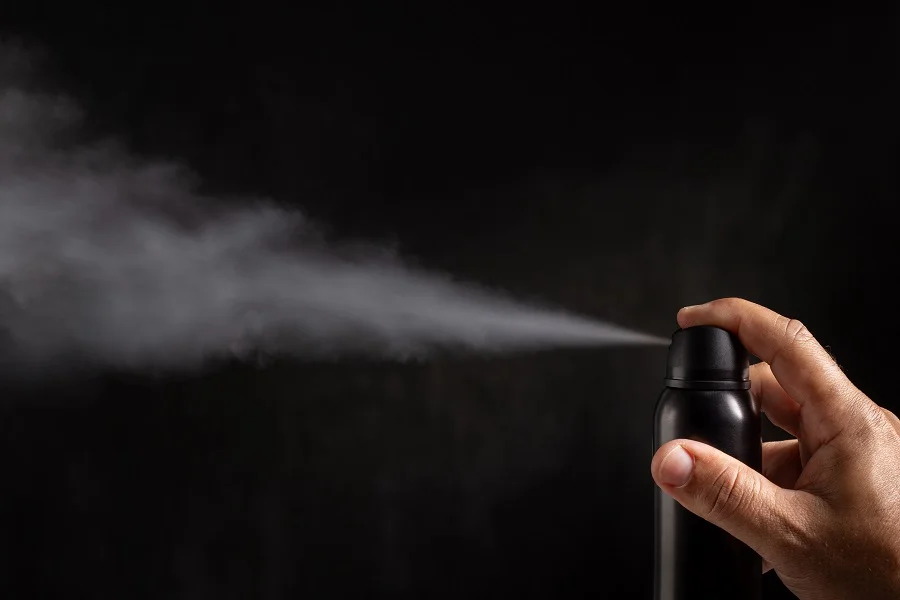
In February 2021, Tessica Brown of Violet, Louisiana, ran out of her regular hair gel, göt2B Glued, and grabbed what seemed like a similar product from her shelf.
Instead of hairspray, however, she mistakenly used Gorilla Glue Spray Adhesive on her hair. The industrial-strength adhesive locked her hair into a rigid, immovable position for over a month, triggering a medical emergency and worldwide attention.
Brown's subsequent medical journey reveals the severity of the chemical bonding. An emergency room visit resulted in an attempted acetone treatment that caused painful scalp burns rather than removing the adhesive. The acetone temporarily softened the glue before it hardened again, creating a secondary injury layer.
Ultimately, Los Angeles plastic surgeon Dr. Michael Obeng performed a four-hour surgical procedure using a specialized blend of medical-grade adhesive remover, aloe vera, and olive oil to safely extract the bonded material from her scalp.
The viral video showcasing Brown’s distress garnered millions of views across TikTok, Instagram, and other social platforms. Media outlets worldwide covered the story, turning a personal crisis into a global conversation about product safety, corporate responsibility, and consumer behavior in the digital age.
The Product-Labeling Controversy
The core legal question centered on whether Gorilla Glue's warning label adequately protects consumers. While you may think it’s common sense that nobody ought to spray super glue into their hair, the facts of the case show that the product labeling specifically warns against using the glue on eyes, skin, or clothing but does not mention hair.
Yes, this could be because nobody at the company ever thought for one moment that someone might deliberately spray superglue into their hair, but the company’s honest lack of foresight may not be able to save them if the courts find they knew or should have known that someone might make the attempt. In fact, the state of Louisiana, where the case will be tried, does state that manufacturers can be held liable for damages caused by a “reasonably anticipated use of the product.”
In fact, product labeling and warnings are meant to help guard consumers against the kinds of lapses in judgment that Brown showed.
In New York, manufacturers also have a duty to warn of the danger of unintended uses of a product, provided those uses are reasonably foreseeable.
Could This Misuse Have Been Foreseen?
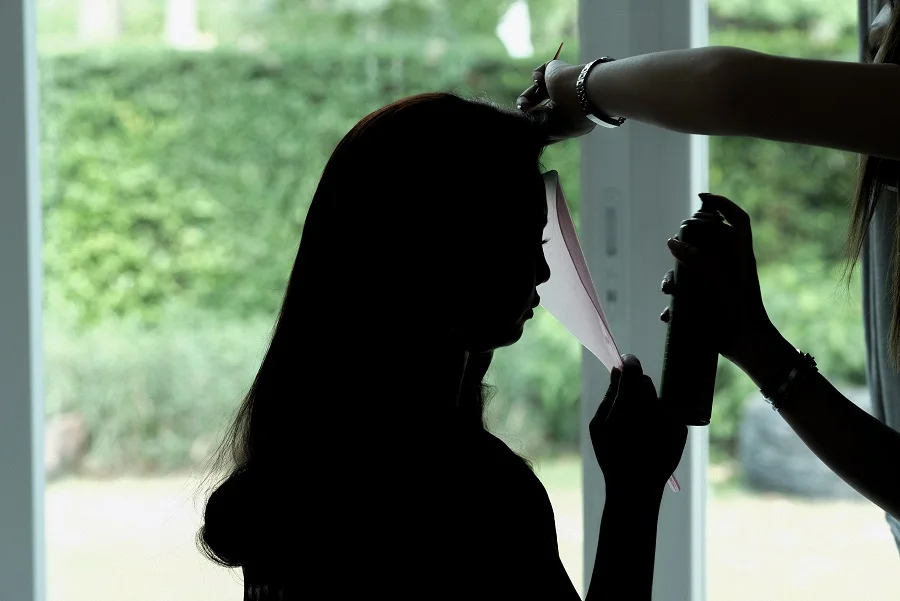
So a major question at issue will be: could anyone have reasonably foreseen that someone might try to use Gorilla Glue Spray Adhesive on their hair? A plaintiff’s lawyer might argue that they absolutely could, as there is a product on the market called Gorilla Snot Gel.
While Gorilla Glue does not make the gel (Midway Importing sells it here in the U.S.; it’s a Mexican brand), the presence of that gel could prompt someone to foresee a mix-up. The gel even has yellow and orange labeling. Gorilla Glue’s labeling is orange and yellow. Plus, there is evidence to suggest Gorilla Glue leveraged the confusion between the two products to broaden its audience through pay-per-click advertising. Brown’s preferred product is also marketed as “hair glue.”
Plus, “quick weaves or glue weaves” have been a well-known Black woman beauty secret for decades.
All of these facts would seem to support the idea that Gorilla Glue probably should have foreseen that someone might try the product on their hair.
The Skin Warning Question
Another major question might be whether the warning to avoid using the adhesive on skin already covers the use of the adhesive on hair, as the consumer might also reasonably foresee that glue on hair meant glue on the scalp.
What Is Product Liability Law?

Product liability laws specifically address harm caused by defective or inadequately labeled products. These legal frameworks hold companies accountable when their products cause injury through design flaws, manufacturing defects, or insufficient warnings.
How to Win a Product Liability Case: Key Elements
For a plaintiff to prevail in a product liability lawsuit, the law requires them to establish four essential components:
Possible Damages in the Gorilla Glue Case
Another aspect of a product liability case is determining whether the plaintiff suffered compensable damages.
Reports say she went first to the ER. The ER tried removing the glue with acetone, which caused scalp burns. She’s now attempting a surgical procedure to remove the glue. Her hair has remained “rock solid” for about a month.
She will definitely have medical bills that will need to be covered.
Additionally, Tessica Brown earns her living as an Instagram and TikTok Star. If she is unable to make videos while seeking treatment, it is possible she will be owed damages for lost income as well.
Finally, she could easily make a claim for pain and suffering, including emotional distress.
What Should You Do If You're in a Product Liability Situation?

Here’s the truth.
Modern life is noisy, confusing, and full of distractions. It’s easy to make a mistake the rest of us might find silly. The media and the insurance industry love to lampoon people who have a mishap, and they love to dismiss all such claims as frivolous. They love to dismiss injury victims as greedy opportunists, too, even though they certainly wouldn’t hesitate to grab every dollar they can in every way they could. Pillorying accident victims serves their aims, not yours.
The difference between a successful product liability claim and one that gets dismissed often comes down to evidence preservation and timing. The sooner you act, the stronger your legal posture becomes.
When Products Fail to Keep Consumers Safe, Accountability Matters
If you’ve suffered injuries from a defective product or one with inadequate warnings, you deserve effective legal guidance. The New York product liability lawyers at Sakkas, Cahn & Weiss, LLP, handle cases involving manufacturer negligence, deficient warning labels, and complex questions of corporate accountability.
We’ll investigate your case, gather compelling evidence, and push for maximum compensation while you focus on recovering. Contact us today for a free consultation.


Don't Wait to Seek Legal Guidance
The dedicated product liability attorneys at Sakkas, Cahn & Weiss, LLP, hold companies accountable for insufficient warnings and defective designs. We proudly fight for injured consumers across New York.
.webp)